
Additive Manufacturing In Energy Sector
Additive manufacturing, often referred to as 3D printing, is revolutionizing the energy sector by enabling the production of complex components with unprecedented efficiency and customization. As the demand for sustainable and innovative energy solutions grows, this cutting-edge technology is stepping into the spotlight, offering significant advantages such as reduced material waste, shorter lead times, and the ability to create intricate designs that traditional manufacturing methods simply can't achieve. From wind turbines to solar panels, additive manufacturing is not just reshaping how we produce energy but is also paving the way for a more sustainable future. In this blog post, we will explore the transformative impact of additive manufacturing on the energy industry and highlight some of the most exciting applications and advancements in this dynamic field.
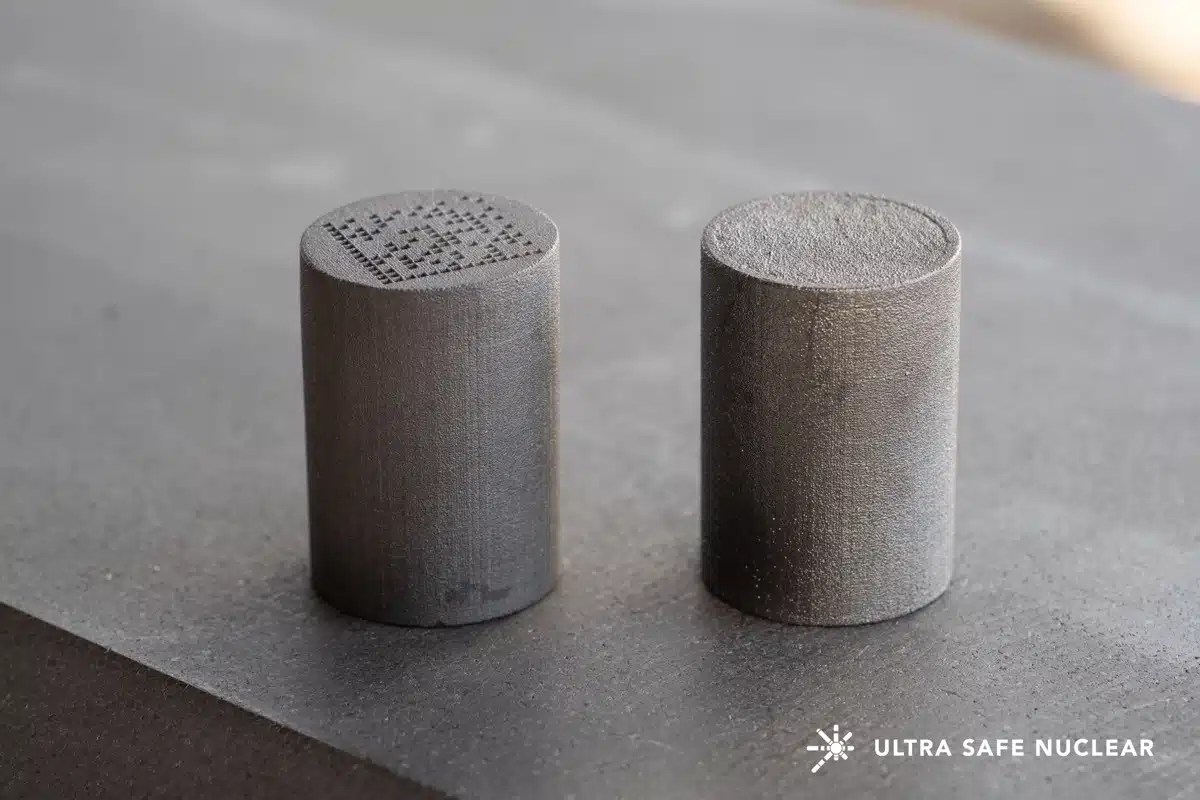
Additive Manufacturing Is Going Nuclear
 www.voxelmatters.com
 Additive manufacturing, often referred to as 3D printing, is revolutionizing various industries, and the energy sector is no exception. This innovative technology, characterized by layer-by-layer material deposition, is fostering unprecedented advancements in the design, production, and maintenance of energy systems. From renewable energy sources to traditional power generation, additive manufacturing is making its mark, optimizing efficiency and reducing costs.
In the realm of renewable energy, particularly wind and solar power, additive manufacturing has provided solutions that were previously unattainable. For instance, the production of intricate components for wind turbines, such as blades and gearboxes, has benefited immensely from this technology. The ability to create lightweight yet robust structures allows for enhanced aerodynamics and improved energy capture. Moreover, the customization capabilities inherent in additive manufacturing enable the design of components tailored to specific environmental conditions, thereby maximizing performance.
Furthermore, in solar energy applications, the fabrication of photovoltaic cells has seen significant enhancements through additive manufacturing techniques. The precision with which these cells can be produced not only increases their efficiency but also reduces material waste. This aligns with the overarching goal of sustainability within the energy sector, as minimizing waste is crucial for both environmental and economic reasons.
In traditional power generation, additive manufacturing is proving to be a game-changer as well. The production of replacement parts for aging infrastructure, such as turbines and boilers, can be executed with remarkable speed and accuracy. This rapid prototyping capability facilitates the swift turnaround of essential components, thereby minimizing downtime and maintaining operational continuity. Additionally, the ability to manufacture parts on-site reduces logistical complexities and associated costs, further enhancing the economic viability of power plants.
Another significant advantage of additive manufacturing in the energy sector is its potential for innovation in materials science. The exploration of advanced materials, including composites and alloys, is paving the way for the development of components that can withstand extreme conditions. For instance, high-temperature applications in gas turbines benefit from materials engineered through additive processes, which exhibit superior resilience and longevity. This not only extends the life cycle of critical components but also enhances overall system efficiency.
Moreover, the integration of additive manufacturing with digital technologies, such as the Internet of Things (IoT) and artificial intelligence (AI), is creating a synergistic effect that further amplifies its impact. Smart manufacturing processes, driven by data analytics, allow for real-time monitoring and optimization of production techniques. This convergence of technologies not only streamlines operations but also fosters a culture of continuous improvement, essential for maintaining competitiveness in the energy market.
Despite its myriad advantages, the adoption of additive manufacturing in the energy sector is not without challenges. Regulatory hurdles and the need for standardization pose significant barriers to widespread implementation. Additionally, the initial investment in additive manufacturing technologies can be substantial, which may deter smaller companies from exploring these options. However, as the technology matures and becomes more accessible, it is anticipated that these challenges will be surmounted, paving the way for broader acceptance and integration.
You Might Also Like: 42 Karte Von Ohio
In conclusion, additive manufacturing is poised to redefine the energy sector by enhancing efficiency, reducing costs, and fostering innovation. Its applications in renewable and traditional energy systems underscore its versatility and potential. As the industry continues to evolve, the integration of this transformative technology will undoubtedly play a pivotal role in shaping a more sustainable and efficient energy future.
Post a Comment