
Big Tech And Smart Cities
In an era where technology is rapidly reshaping our daily lives, the intersection of big tech and smart cities presents a fascinating landscape of innovation and opportunity. As urban populations continue to swell, cities are turning to advanced technologies to enhance infrastructure, improve public services, and create more sustainable environments. From smart traffic management systems to IoT-enabled public utilities, big tech companies are at the forefront of this transformation, promising to make urban living more efficient and connected than ever before. However, this evolution also raises important questions about privacy, security, and the role of corporate power in our public spaces. In this blog post, we'll explore how big tech is influencing the development of smart cities and the implications for residents and urban planners alike.
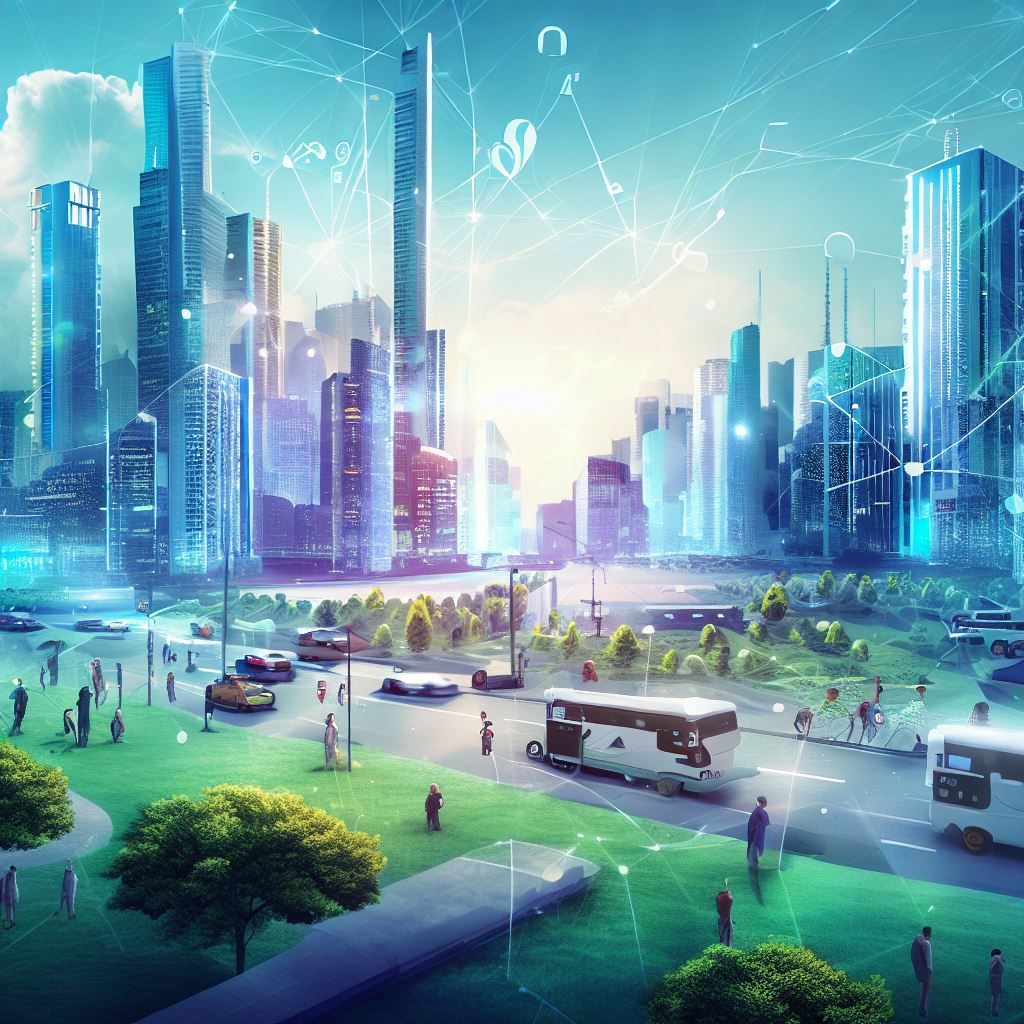
Smart Cities: The Role Of Technology In Urban Development
 www.collegenp.com
 In the rapidly evolving landscape of urban development, the intersection of Big Tech and smart cities has emerged as a focal point for innovation and sustainability. As urbanization accelerates, the integration of advanced technologies into city infrastructures promises to revolutionize the way we live, work, and interact with our environments. This synergy between technology giants and urban planners is not merely a trend; it represents a paradigm shift in how we conceptualize urban living.
Smart cities are characterized by their utilization of Internet of Things (IoT) devices, data analytics, and artificial intelligence (AI) to enhance the quality of life for residents. These cities leverage vast networks of sensors and connected devices to gather real-time data, enabling a more responsive and efficient urban ecosystem. For instance, traffic management systems can dynamically adjust signal timings based on current traffic conditions, thereby alleviating congestion and reducing travel times.
Moreover, the role of Big Tech companies, such as Google, Amazon, and Microsoft, cannot be overstated. These corporations are not just providers of technology; they are pivotal players in the reimagining of urban landscapes. Their investments in smart city initiatives often encompass a wide array of services, including cloud computing, data management, and advanced analytics. By harnessing their extensive resources and expertise, these companies facilitate the development of intelligent systems that can predict and respond to urban challenges.
However, the integration of Big Tech into the fabric of urban life is not without its challenges. Privacy concerns loom large as cities become more interconnected. The collection and analysis of vast amounts of data raise pertinent questions about surveillance and data ownership. Residents may find themselves grappling with the implications of living in a data-driven environment, where their movements and behaviors are continuously monitored. Therefore, establishing robust data governance frameworks is imperative to safeguard citizens' rights while reaping the benefits of smart technologies.
Additionally, the digital divide presents another significant hurdle. As smart city initiatives proliferate, there is a risk that marginalized communities may be left behind. Access to technology and digital literacy are critical components of participation in this new urban paradigm. Ensuring equitable access to smart city resources is essential for fostering inclusivity and preventing socio-economic disparities from widening.
Furthermore, sustainability is a cornerstone of the smart city ethos. Big Tech's involvement in urban development often emphasizes green technologies and environmentally friendly practices. From smart grids that optimize energy consumption to intelligent waste management systems that minimize landfill use, the potential for reducing the ecological footprint of urban areas is substantial. By leveraging data analytics, cities can make informed decisions that promote sustainable growth and resilience against climate change.
As we look to the future, the collaboration between Big Tech and urban planners will likely intensify. The development of smart cities will continue to evolve, driven by technological advancements and changing societal needs. The prospect of autonomous vehicles, drone deliveries, and augmented reality applications in public spaces heralds a new era of urban living. However, it is crucial to approach these innovations with a critical eye, ensuring that they enhance rather than detract from the human experience.
You Might Also Like: Crochet Strawberry Pattern Free
In conclusion, the confluence of Big Tech and smart cities signifies a transformative journey towards more intelligent, efficient, and sustainable urban environments. While the benefits are manifold, the challenges must be addressed with diligence and foresight. As cities embark on this ambitious path, the goal should be to create not only technologically advanced urban spaces but also inclusive, equitable, and resilient communities that thrive in harmony with their surroundings.
Post a Comment